Flat Clearance Chingford: Recycling and Sustainable Rubbish Solutions
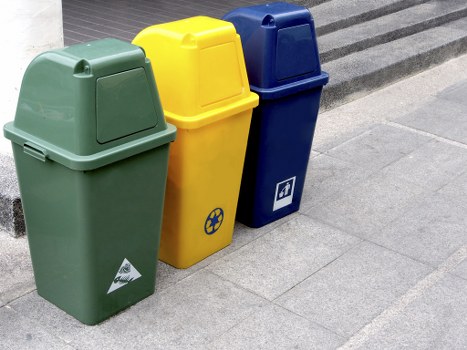 At Flat Clearance Chingford we prioritise an eco-friendly waste disposal area and a practical approach to creating a sustainable rubbish area for homes across Chingford and the wider Waltham Forest. Our local teams deliver clearances with a focus on reuse, recycling and low-carbon logistics, ensuring that furniture, appliances and general household waste are handled in a way that supports borough targets for diversion from landfill.
We work closely with the borough’s kerbside schemes — including separate dry recycling, food waste caddies and garden waste collections — so our clearances complement the existing municipal approach. By aligning with those systems we reduce contamination and increase the value of materials sent for processing. Our methods are designed to support Chingford residents who expect responsible, compliant disposal when arranging flat clearance in Chingford.
Our Recycling Percentage Target
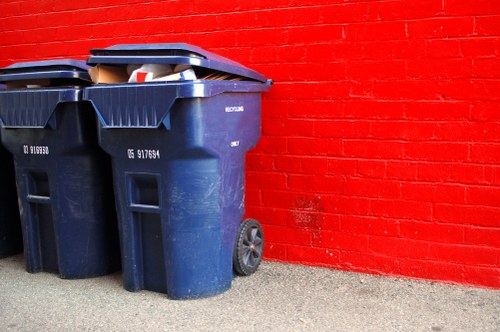
We have a staged ambition: a 70% recycling and reuse target across all clearance jobs within the next 12 months, rising to 80%+ within three years. This target covers bulky items, small electricals (WEEE), textiles, wood, metals and inert materials. The target is monitored per-job and across our local operations so we can report improvements and invest in training and logistics that boost our local eco-friendly clearance outcomes.To achieve these targets we sort on-site wherever possible and bring materials to designated facilities. We make use of convenient local transfer stations and recycling hubs to keep travel distances short and processing efficient. Linking flat removals and Chingford recycling processes reduces duplication and keeps the carbon footprint of each job low.
Local Transfer Stations and Processing Hubs
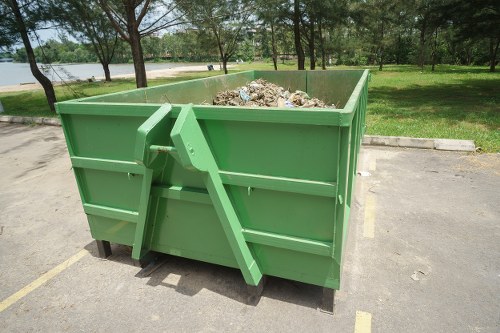
Our routes regularly serve nearby transfer points and recycling centres such as Edmonton EcoPark and other North London transfer stations and local civic amenity sites. These facilities accept separated streams like glass, paper, plastic, bulky wood and metals. We prioritise using facilities that accept reusable furniture and functioning appliances so that items stay in use where possible instead of being shredded or sent to landfill.We also coordinate with aggregate and skip processing depots for inert materials and with licensed WEEE contractors for safe recycling of electricals. Wherever the borough offers specialised schemes — for example textile banks and community reuse initiatives — we route eligible items into those local channels to support community reuse programmes.
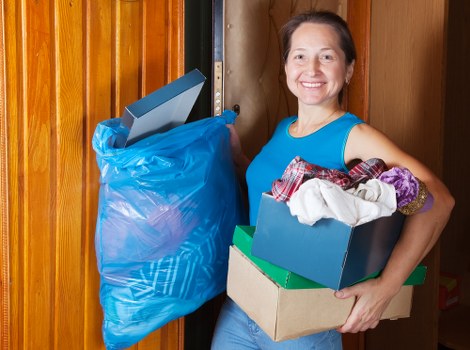 Partnerships with Charities are central to our sustainable rubbish area strategy. We partner with local and national charities that accept furniture, books, clothes and small household items. Typical partners include furniture reuse charities and social enterprises that repair and resell items, creating jobs and helping people in housing need. These partnerships reduce waste and deliver social value by giving items a new life rather than disposing of them.
When an item is suitable for donation we record its condition and route it to an appropriate charity partner. This routing includes prioritising charities that provide community collection or local shop distribution across London boroughs. In many cases, what begins as part of a Chingford flat clearance becomes an affordable furnishing option for someone else, closing the loop on reuse.
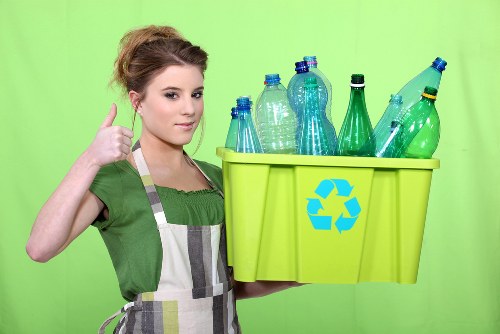 Sustainable transport is a key pillar of our operation. We invest in a low-carbon fleet of hybrid and electric vans and use smaller, efficient vehicles for tight urban streets around Chingford. For inner-ward jobs we sometimes deploy cargo bikes or multi-modal collection options that cut emissions and noise. Maintaining a green fleet complements our recycling ambitions by tackling emissions at the collection stage.
We also emphasise clear documentation and compliance. Each clearance generates a waste transfer note or equivalent paperwork where required, detailing:
- what was collected
- where it was delivered
- how much was reused or recycled
Training for crews is ongoing: they learn proper segregation techniques aligned with the borough’s waste separation rules — for example separating food waste caddies, dry recyclables, textiles and hazardous items. That training reduces cross-contamination and increases the proportion of material that can be processed into high-quality secondary resources.
Finally, our approach is community-minded and continuously improving. We audit jobs for performance, seek out new charity partners, and review transfer station options to shorten travel and speed recycling. Whether you are arranging Chingford flat clearance or planning a larger multi-property clearance, our sustainability framework ensures an eco-friendly waste disposal area outcome that supports local waste separation practices and drives down carbon impacts while maximising reuse and recycling rates.